
Collection: Women
-
Khâmoush (Silent) Blouse
Regular price $209.00 AUDRegular priceUnit price per -
Jâni-o-Jahâni (Soul and World) Blouse - Green
Regular price $229.00 AUDRegular priceUnit price per -
Homâyoun (Joyous) Top
Regular price $199.00 AUDRegular priceUnit price per -
Hasti (Existence) Top
Regular price $199.00 AUDRegular priceUnit price per -
Kimiyâ-ye Jân (Soul’s Elixir) Top
Regular price $239.00 AUDRegular priceUnit price per -
Charkh-e Kaboud (Azure Dome) Reversible Top
Regular price $259.00 AUDRegular priceUnit price per -
Yâd (Remembrance) Poncho
Regular price $219.00 AUDRegular priceUnit price per -
Tâbân (Luminous) Top - Light Blue
Regular price $269.00 AUDRegular priceUnit price per -
Tâbân (Luminous) Top - Dark Blue
Regular price $269.00 AUDRegular priceUnit price per -
Rakhshân (Radiant) Poncho
Regular price $219.00 AUDRegular priceUnit price per -
Parastou (Swallow) Shawl
Regular price $59.00 AUDRegular priceUnit price per -
Mottasel (Bound in Union) Reversible Poncho
Regular price $299.00 AUDRegular priceUnit price per -
Mottasel (Bound in Union) Dress
Regular price $329.00 AUDRegular priceUnit price per -
Mahboub-e Zibâ (Beautiful Beloved) Dress
Regular price $239.00 AUDRegular priceUnit price per -
Kimiyâ-ye Jân (Soul’s Elixir) Dress
Regular price $269.00 AUDRegular priceUnit price per -
Khâmoush (Silent) Reversible Shawl
Regular price $109.00 AUDRegular priceUnit price per -
Jahân (The World) Top
Regular price $219.00 AUDRegular priceUnit price per -
Jâni-o-Jahâni (Soul and World) Top - Green
Regular price $209.00 AUDRegular priceUnit price per -
Jân (Soul) Top
Regular price $199.00 AUDRegular priceUnit price per -
Jâm (Chalice of Truth) Reversible Shawl - Blue
Regular price $109.00 AUDRegular priceUnit price per -
Jâm (Chalice of Truth) Reversible Shawl - Black
Regular price $109.00 AUDRegular priceUnit price per -
Hezâr-o-Yek Shab (Thousand and One Nights) Reversible Shawl
Regular price $109.00 AUDRegular priceUnit price per -
Hezâr Ghanari (Thousand Canaries) Reversible Shawl
Regular price $109.00 AUDRegular priceUnit price per -
Hezâr Bâr Digar (Thousand Times) Shawl
Regular price $59.00 AUDRegular priceUnit price per -
Hess (Feeling) Reversible Poncho
Regular price $219.00 AUDRegular priceUnit price per -
Goriz (Escape) Reversible Shawl
Regular price $109.00 AUDRegular priceUnit price per -
Goftego (Dialogue) Poncho
Regular price $219.00 AUDRegular priceUnit price per -
Dolat-e Eshgh (Love's Kingdom) Reversible Shawl
Regular price $109.00 AUDRegular priceUnit price per -
Charkh-e Kaboud (Azure Dome) Reversible Shawl
Regular price $109.00 AUDRegular priceUnit price per -
Bitâb (Restless) Shawl - Red
Regular price $59.00 AUDRegular priceUnit price per -
Bitâb (Restless) Reversible Shawl - Red
Regular price $109.00 AUDRegular priceUnit price per -
Bitâb (Restless) Reversible Shawl - Grey
Regular price $109.00 AUDRegular priceUnit price per


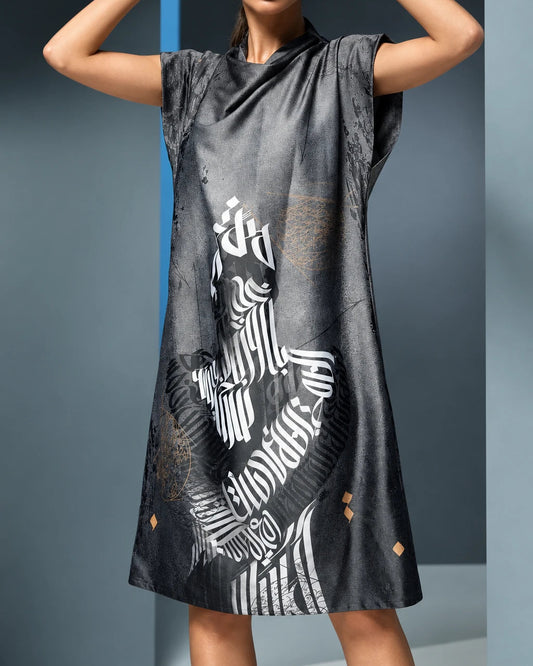


Women’s Collection
The Tâghè women’s collection brings together contemporary clothing and accessories shaped by art, Persian cultural references and visual storytelling. At Tâghè, the collection extends across dresses, tops, blouses, ponchos, jackets, vests, shawls, neck scarves, trousers, skirts and skorts. Each category contributes something different to an outfit: some pieces establish the main visual direction, while others introduce an upper layer, an outer frame or a smaller artistic detail. Together, they offer different ways to build a wardrobe around meaningful design rather than treating every garment as an isolated item.
| Category | Role in the Collection |
|---|---|
| Dresses | A complete main garment that can establish the overall visual direction of an outfit. |
| Tops | Separate upper garments that can introduce colour, artwork or another visual element. |
| Blouses | Upper garments that create a focused area for artwork and visual storytelling. |
| Ponchos | Outer pieces that can frame the garments underneath or become a strong visual focus. |
| Jackets | Outer layers that can support the main garment or lead the outfit visually. |
| Vests | Layering pieces that connect different visual areas within an outfit. |
| Shawls | Larger accessories that introduce a flexible layer of colour and artwork. |
| Neck Scarves | Smaller accessories that add a focused point of colour, artwork or contrast. |
| Trousers | Lower garments that form a foundation for outfits built from separates. |
| Skirts & Skorts | Lower separates that allow upper and lower elements to contribute independently. |
Explore the Tâghè Women’s Collection
The women’s collection is best explored as a connected group of garments and accessories rather than as one broad category of clothing.
A dress can establish most of an outfit in one piece. Tops and blouses create separate upper elements. Jackets, ponchos and vests add another visible layer, while shawls and neck scarves introduce colour and artwork at a different scale. Trousers, skirts and skorts create another route for building outfits from separates.
The useful starting point is therefore not simply deciding which product looks most appealing. Consider what role you want the next piece to play and how much visual attention you want it to carry.
Once that role is clear, each category provides a more focused way to explore the collection without requiring every garment to perform the same function.
Shop Women’s Clothing by Category
Tâghè’s women’s categories cover complete garments, separates, outer layers and accessories. Exploring them individually makes it easier to compare pieces with a similar purpose while still understanding how they can work together across the wider collection.
Women’s Dresses
A dress can establish the central direction of an outfit in a single garment, making it a natural starting point when you want one piece to carry much of the colour, artwork or visual story.
Within an art-led collection, a dress also creates a larger continuous area for visual composition, giving artwork a different presence from that of a smaller separate or accessory.
Explore Tâghè’s women’s dresses when you want the main garment itself to define the direction of the outfit.
Women’s Tops
A top creates a separate upper element that can be combined with different lower garments, outer layers and accessories.
This makes the category useful when you want the upper part of an outfit to introduce colour or artwork while keeping the rest of the composition open to different combinations.
Browse Tâghè’s women’s tops to explore upper garments across the current collection.
Women’s Blouses
A blouse creates a concentrated area for design across the upper part of an outfit and can become either a supporting piece or one of its strongest visual elements.
Because it is a separate upper garment, it can be combined with different lower pieces and outer layers while retaining its own visual identity.
Explore Tâghè’s women’s blouses when you want the upper garment to play a distinct role in the composition.
Women’s Ponchos
A poncho introduces a prominent outer element that can change how the garments underneath are visually framed.
When the poncho carries stronger artwork or colour, it can become the first element noticed in the outfit. In a quieter design, it can instead support details already present elsewhere.
Browse Tâghè’s women’s ponchos when you want an outer piece to make a clear contribution to the upper composition.
Women’s Jackets
A jacket adds an outer frame around the main garments of an outfit.
An expressive jacket can take the lead over a quieter foundation, while a more restrained jacket can give visible artwork underneath it additional space.
Explore Tâghè’s women’s jackets when you want the outer layer to become part of the overall visual story.
Women’s Vests
A vest introduces another visible upper layer while allowing surrounding garments to remain an important part of the overall composition.
It can create a visual connection between the upper and lower parts of an outfit or become a stronger element when its artwork or colour takes greater emphasis.
Browse Tâghè’s women’s vests to explore this layered direction within the collection.
Women’s Shawls
A shawl introduces a flexible artistic layer around an existing outfit.
Because its visual placement can change depending on how it is worn, the same shawl can create a different relationship with a dress, blouse, jacket or another underlying piece.
Explore Tâghè’s women’s shawls when you want a larger accessory to introduce colour and artwork across the outfit.
Women’s Neck Scarves
A neck scarf works at a smaller visual scale than a shawl, making it useful when you want to introduce a focused point of artwork or colour.
It can create a connection between details already present elsewhere in the outfit or introduce a deliberate contrast without becoming a dominant outer element.
Browse Tâghè’s women’s neck scarves for a more compact accessory within the collection.
Women’s Trousers
Trousers create a lower foundation for outfits built from separates.
They can support an upper garment that carries the stronger artwork or colour, or become part of a more balanced composition in which visual emphasis is shared between several pieces.
Explore Tâghè’s women’s trousers when building an outfit around separate upper and lower garments.
Women’s Skirts and Skorts
Skirts and skorts provide another way to build an outfit from separates, allowing the upper and lower parts of the composition to contribute independently.
They can act as a quieter foundation for an expressive upper garment or take a more active role when colour and artwork are distributed across the outfit.
Explore Tâghè’s women’s skirts and skorts when you want to build the outfit around separate pieces rather than one complete garment.
How to Choose Across the Women’s Collection
With several categories available, the easiest way to narrow the collection is to decide what you want the next piece to contribute to the outfit.
A dress, jacket and neck scarf can all carry artwork, for example, but they occupy very different visual areas. Thinking about the role first makes it easier to compare pieces that actually serve the same purpose.
Start with the Main Garment
Begin with the garment that will establish the largest part of the outfit.
For some outfits, that may be a dress. In others, the foundation may be created through a top or blouse combined with trousers, a skirt or a skort.
The useful question is how much visual responsibility the foundation should carry. A strong central garment can lead the composition, while a quieter foundation leaves more room for outer layers and accessories.
Choose an Upper or Outer Layer
The next decision is whether another visible layer should be added around the main garments.
A jacket, vest or poncho can change the way an outfit is framed. Each occupies a different visual role, but all can either support the foundation or become the stronger element in the composition.
Rather than trying to make every layer equally prominent, decide which piece should attract attention first.
Add a Smaller Artistic Detail
A shawl or neck scarf can be considered after the main garments have already established the overall direction.
A shawl introduces a larger area of artwork around the outfit, while a neck scarf creates a more focused detail.
Either can connect with a colour already present elsewhere or introduce a deliberate contrast without replacing the main structure of the outfit.
Choose Which Piece Should Lead the Outfit
Several expressive pieces can appear in the same outfit, but they do not all need to compete for the same level of attention.
Establishing a visual hierarchy can make it easier for garments from different categories to work together while preserving the identity of each piece.
When the Main Garment Is the Focal Point
If a dress, blouse or top already contains prominent artwork or a strong colour relationship, the surrounding pieces do not need to reproduce every element.
An outer layer or accessory can connect through one smaller detail while allowing the main garment to remain clearly visible as the focal point.
This creates visual continuity without making the outfit look like a matching set.
When the Outer Layer Carries the Artwork
The opposite approach is to allow a jacket, poncho, vest or shawl to define the first impression.
In that case, the garments underneath can establish a calmer foundation so that the artwork of the outer piece remains easy to read.
This approach gives a visually distinctive outer layer enough space to establish the direction of the outfit.
When the Outfit Is Built from Separates
Tops and blouses can be combined with trousers, skirts or skorts to create an outfit in which the upper and lower areas are selected independently.
That separation allows one part to carry more visual emphasis while the other provides balance.
It creates a different styling process from beginning with a dress because the relationship between the upper and lower garments becomes part of the composition from the start.
Create Connection Without Repeating Everything
Garments do not need to repeat the same artwork or every colour in order to belong in the same outfit.
A shared colour, a related visual rhythm or a deliberate contrast can provide enough connection between pieces.
Looking for one meaningful relationship usually creates a clearer result than trying to make every element identical.
Art-Inspired Women’s Clothing at Tâghè
Across Tâghè’s women’s collection, clothing can provide space for visual storytelling as well as perform its practical role within an outfit.
The amount and placement of that visual space changes from category to category. This allows a wider artistic direction to be expressed differently across dresses, separates, outer layers and accessories.
Persian Poetry and Calligraphic Ideas
Persian poetry, language and calligraphic ideas form part of Tâghè’s broader creative identity.
When these references appear within a garment, they contribute to the meaning and visual identity of the piece rather than functioning simply as generic decoration.
The relationship between cultural reference and contemporary clothing can therefore change depending on the type of garment and the visual space available for the artwork.
Clothing as Visual Storytelling
The identity of a piece can come from more than its basic garment category.
Its name, visual composition, colour relationships and documented cultural references can all contribute to how the piece is understood.
This provides another way to compare pieces within the collection. Two garments from the same category may serve a similar practical role while carrying very different visual or narrative identities.
Different Categories Create Different Canvases
Each garment category creates a different area in which artwork can appear.
A dress offers a larger continuous field. A top or blouse concentrates attention within the upper part of the outfit. Jackets, ponchos and vests introduce an additional outer layer, while shawls and neck scarves allow artwork to appear through accessories.
Trousers, skirts and skorts can provide a quieter foundation or contribute their own visual presence within an outfit built from separates.
These differences allow the wider collection to remain connected without forcing every category into the same visual role.
Styling Pieces Across the Women’s Collection
The categories within the women’s collection can be combined according to visual role rather than treated as isolated groups. A dress can form the main composition before an outer layer or accessory is added, while a blouse or top can be paired with trousers, a skirt or a skort and then framed by a jacket, vest or poncho.
The most useful question is which piece should lead and which pieces should respond to it. If several garments contain expressive artwork, one clear connection through colour, composition or contrast is often enough to make them work together.
This keeps the outfit visually coherent while allowing different art-led pieces to retain their own identity.
Shop the Women’s Collection at Tâghè
The best place to begin is with the role you want the next garment or accessory to play.
Choose a main garment when you want one piece to establish the overall direction. Build with tops, blouses and lower separates when you want the upper and lower areas to contribute independently. Add jackets, ponchos or vests when an outer layer should become part of the composition, and consider shawls or neck scarves when you want to introduce an artistic finishing detail.
Across the women’s collection, each category creates its own space for colour, artwork and storytelling. The aim is not for every piece to compete for attention, but for each garment or accessory to have a clear reason for being part of the complete outfit.