
Collection: Dress
-
Âfâgh (Horizons) Dress
Regular price $239.00 AUDRegular priceUnit price per -
Âshoobam (Restless) Dress
Regular price $329.00 AUDRegular priceUnit price per -
Deldâr (Beloved) Dress
Regular price $329.00 AUDRegular priceUnit price per -
Delshodegân (Lovestruck) Dress
Regular price $239.00 AUDRegular priceUnit price per -
Golrû (Rosy-Faced) Dress
Regular price $269.00 AUDRegular priceUnit price per -
Hamnava (In Harmony) Reversible Dress
Regular price $359.00 AUDRegular priceUnit price per -
Homâyoun (Joyous) Dress
Regular price $239.00 AUDRegular priceUnit price per -
Jâm (Chalice of Truth) Dress - Long sleeve
Regular price $269.00 AUDRegular priceUnit price per -
Jâm (Chalice of Truth) Dress - Sleeveless
Regular price $269.00 AUDRegular priceUnit price per -
Jân-e Man (My Very Soul) Dress
Regular price $359.00 AUDRegular priceUnit price per -
Khâmoush (Silent) Dress
Regular price $269.00 AUDRegular priceUnit price per -
Kimiyâ-ye Jân (Soul’s Elixir) Dress
Regular price $269.00 AUDRegular priceUnit price per -
Mahboub-e Zibâ (Beautiful Beloved) Dress
Regular price $239.00 AUDRegular priceUnit price per -
Mottasel (Bound in Union) Dress
Regular price $329.00 AUDRegular priceUnit price per -
Nahân (Secret) Dress
Regular price $239.00 AUDRegular priceUnit price per -

 Sold out
Pardis (Paradise) Dress
Regular price $269.00 AUDRegular priceUnit price per -
Rakhshân (Radiant) Dress
Regular price $849.00 AUDRegular priceUnit price per -
Râz (Mystery) Dress
Regular price $239.00 AUDRegular priceUnit price per -
Shakiba (Patience) Reversible Dress
Regular price $359.00 AUDRegular priceUnit price per -
Solh (Peace) Dress
Regular price $239.00 AUDRegular priceUnit price per -
Tarab (Delight) Dress
Regular price $269.00 AUDRegular priceUnit price per -
Vasl-e To (Union with You) Dress
Regular price $269.00 AUDRegular priceUnit price per


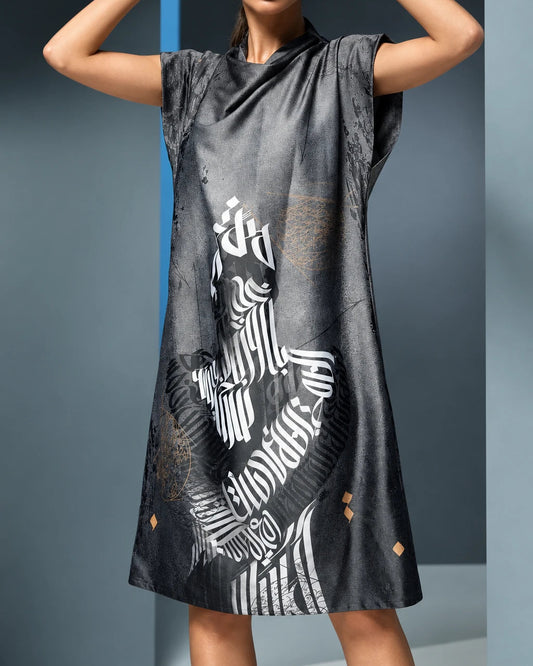


Explore Women’s Dresses at Tâghè
Explore women’s dresses at Tâghè, where contemporary clothing meets Persian-inspired art, poetry and visual storytelling. Each dress has its own identity, whether the first connection comes through colour, artwork, a Persian name or the literary idea associated with the piece.
Rather than treating every dress as a variation of the same trend, Tâghè’s collection gives you several ways to compare designs. You may begin with the overall visual direction, look for a dress that works naturally within a particular kind of outfit, explore reversible options, or choose according to the meaning carried by a specific Persian name.
The collection includes names such as Âfâgh (Horizons), Deldâr (Beloved), Delshodegân (Lovestruck), Hamnava (In Harmony), Jâm (Chalice of Truth), Râz (Mystery), Solh (Peace) and Vasl-e To (Union with You). These names create another point of distinction between dresses that may already appeal for different visual reasons.
When comparing dresses for women, look beyond the first colour or image that catches your attention. Consider the overall design, the relationship between artwork and surrounding pieces, reversibility where relevant and the story that gives one dress a different identity from another.
Choose a Women’s Dress by Design
Design is one of the most useful starting points when comparing women’s dresses. Some pieces naturally become the main visual focus of an outfit, while others take a more restrained direction and leave more space for a jacket, shawl or accessory.
The goal is not to identify one approach as better. Instead, consider what you want the dress to contribute to the complete outfit and which design continues to interest you after the first viewing.
Statement Dresses with Expressive Artwork
A statement dress can establish much of the visual direction of an outfit on its own. Strong artwork, calligraphic details or distinctive compositions can become the first point of attention without requiring several equally expressive elements around them.
When comparing statement designs, look beyond the dominant colour. The arrangement of the artwork, the Persian name or the wider idea associated with the piece may ultimately give one dress a clearer identity for you.
Dresses with a More Restrained Visual Direction
A dress does not need to dominate the complete outfit to remain distinctive. A more restrained visual direction can create room for another artistic element to share the focus.
This can be useful if you already own an expressive jacket, shawl or accessory and want the different pieces to remain visually clear rather than compete for attention.
Comparing Different Dress Designs
If several dresses appeal to you, compare them in stages. Begin with the overall visual direction, then look at the artwork and colour relationships, and finally consider whether the product name or story gives one design a more personal connection.
Jâm (Chalice of Truth), for example, appears in both long-sleeve and sleeveless versions within the supplied product range. This is a useful example of how one design identity can appear in more than one product variation without becoming a completely different concept.
Women’s Dresses for Different Occasions
Occasion can help narrow a collection, but it does not have to define a dress permanently. The same piece may feel different depending on the jacket, shawl or accessories worn around it.
Instead of choosing entirely by an occasion label, think about how much visual presence you want the dress to carry and how the rest of the outfit may change around it.
Dresses for Everyday and Social Dressing
For everyday or regular social dressing, a useful starting point is a design you can imagine returning to rather than automatically saving for a rare event.
That may mean choosing artwork that continues to interest you or a visual direction that combines naturally with pieces already in your wardrobe.
Dresses for Dinners and Special Gatherings
Dinners, exhibitions, celebrations and other gatherings can provide more space for an expressive dress to become part of the occasion. In these settings, the dress may carry most of the visual emphasis while the surrounding pieces remain quieter.
Dresses for Formal and Cultural Events
Formal and cultural settings can also provide a natural context for clothing with a clear artistic identity. A Persian name or poetic reference may be familiar to one wearer and become a point of discovery for another.
The useful approach is to choose a dress whose visual direction makes sense for the setting without losing the artistic identity that first attracted you to it.
Choose a Women’s Dress by Colour and Artwork
Colour can create the first connection with a dress, but within an art-led collection it works alongside artwork, calligraphy and the overall composition.
A familiar shade can create a very different impression when it appears within a different arrangement, so the complete dress is usually more useful to evaluate than one colour in isolation.
Starting with Colour
If colour is your first filter, consider whether you want the dress to establish the strongest colour in the outfit or leave more room for another garment or accessory to introduce contrast.
Exact matching is not necessary. One smaller point of connection can be enough to make two pieces feel related.
Letting the Artwork Lead the Choice
In some dresses, the artwork may become more important than the dominant colour. A calligraphic element, image or visual arrangement may be the feature that continues to hold your attention after the first impression.
When this happens, it can make sense to let the artwork guide the surrounding outfit rather than adding several equally strong elements around it.
Choosing Between Bold and Quieter Compositions
Bold and restrained designs create different relationships with the rest of a wardrobe. A strong composition may carry most of the visual identity itself, while a quieter dress can leave more room for another piece to share the emphasis.
Art-Inspired Women’s Dresses
One of the clearest distinctions within Tâghè’s women’s dress range is the use of Persian names and literary references to give individual designs their own identity.
Names such as Vasl-e To (Union with You), Tarab (Delight), Delshodegân (Lovestruck), Rakhshân (Radiant), Hamnava (In Harmony), Shakiba (Patience) and Kimiyâ-ye Jân (Soul’s Elixir) introduce ideas that go beyond a purely descriptive product label.
Persian Poetry in Tâghè Dress Stories
The supplied product stories for Tâghè dresses include verses attributed to Persian poets such as Hafez, Omar Khayyam, Rumi, Fereydoun Moshiri and Saeb Tabrizi.
These literary references create another layer through which the collection can be understood. The visual design may attract attention first, while the poem, translation or Persian name provides further context once the shopper explores the individual product.
This approach keeps the poetry connected to the product story without requiring every dress to be interpreted in exactly the same way.
The Meaning Behind Persian Dress Names
Persian product names offer another way to distinguish between dresses once several designs already appeal visually.
Deldâr means “Beloved”, Delshodegân means “Lovestruck”, Hamnava means “In Harmony”, Shakiba means “Patience”, Râz means “Mystery”, Solh means “Peace”, Tarab means “Delight”, and Vasl-e To means “Union with You”.
These meanings do not need to determine how a wearer interprets the dress, but they can add useful context. A design may attract you visually first and become more memorable after you discover the idea carried by its name.
From Persian Name to Product Story
The strongest product stories are those where the name, artwork and literary reference feel connected rather than appearing as separate elements.
Within Tâghè’s collection, names such as Âfâgh (Horizons), Jân-e Man (My Very Soul), Nahân (Secret), Pardis (Paradise) and Mottasel (Bound in Union) demonstrate how individual dresses can be distinguished through language as well as visual design.
The individual product page is the best place to explore the exact poem or reference associated with a particular dress, while the collection page helps you compare the broader range of names and design directions.
Reversible Women’s Dresses
Reversible design provides another way to compare women’s dresses because the same product can offer more than one visible presentation.
The supplied Tâghè range includes Hamnava (In Harmony) Reversible Dress and Shakiba (Patience) Reversible Dress, giving shoppers confirmed examples of this design direction.
When comparing reversible dresses, look at both presentations rather than deciding from the first side you see. The useful question is whether each side creates a visual direction you would realistically want to wear.
Two Visual Directions in One Dress
Reversibility can change which areas of colour, artwork or composition receive the most attention while keeping both presentations connected to the same underlying product identity.
One side does not need to work with every jacket, shawl or accessory in exactly the same way. The value can come from having two distinct combinations available within the same design.
Choosing a Reversible Dress
Compare each side with clothing and accessories already in your wardrobe. If both presentations give you realistic outfit possibilities, reversibility becomes a meaningful part of the purchasing decision rather than simply an extra feature.
How to Style Women’s Dresses
Styling a dress becomes easier once you decide whether the dress itself should lead the outfit or share attention with another artistic piece.
Jackets, shawls and smaller accessories each introduce a different amount of visual weight, so the surrounding pieces can be chosen according to the role you want the dress to play.
Styling a Dress with a Jacket
A jacket adds another visible layer around a dress and can either frame the design or become a second expressive element.
If the dress already carries a strong composition, a quieter jacket can leave the artwork clear. If the dress takes a more restrained direction, the jacket can contribute more of the visual emphasis.
Browse Tâghè’s Women’s Jackets when comparing the two categories together.
Styling a Dress with a Shawl
A shawl introduces another area of colour and artwork around the upper body while leaving much of the dress visible.
If the dress already has a strong artistic direction, the shawl can connect through a smaller visual detail. If the dress is quieter, the shawl can carry more of the emphasis.
Explore Tâghè’s Women’s Shawls or read how to choose a shawl for a dress for a dedicated look at this combination.
If your outfit has a more formal direction, the Journal also explores how to wear a shawl over a formal dress.
Adding a Smaller Artistic Accessory
A smaller accessory can introduce another point of artwork or colour without occupying as much visual space as a jacket or shawl.
Exact matching is not necessary. A smaller connection in colour, mood or overall artistic direction can be enough to make the combination feel intentional.
Tâghè’s Neck Scarves provide another category to explore when you want to add a smaller expressive layer to a dress.
How to Decide What Role the Dress Should Play
Instead of repeating casual and formal labels, another useful way to compare dresses is to decide how much of the complete outfit you want the dress itself to control.
Let the Dress Become the Main Focus
Choose this direction when the artwork, colour or overall composition is the main reason you are drawn to the dress. Surrounding pieces can then play a quieter supporting role.
Build a Layered Artistic Outfit
If you enjoy combining expressive pieces, the dress can share attention with a jacket, shawl or smaller accessory. The key is to create a clear relationship between them rather than forcing every element to compete equally.
Choose a Reversible Design for More Than One Direction
A reversible dress can be useful when you want the same product to support different visual combinations. Compare both sides with the other pieces you already own rather than judging the dress from one presentation alone.
Women’s Dresses in Australia
Tâghè offers women’s dresses in Australia and New Zealand through a collection shaped by Persian artistic references and contemporary design.
For a Persian-speaking wearer, a product name or literary reference may be immediately familiar. For another shopper, the connection may begin with the artwork and lead to the cultural or poetic context later.
Choosing a Women’s Dress in Australia
When shopping for women’s dresses online in Australia, begin with the designs that continue to interest you after the first viewing. Then compare their overall visual direction, artwork, reversible presentation where relevant and the meaning carried by the product name.
This keeps the decision connected to the actual collection rather than relying on generic fashion rules that may not reflect the products in front of you.
Women’s Dress Prices and Comparing Designs
Price is naturally part of comparing women’s dresses, but current pricing is best checked directly on the collection and individual product pages, where the latest purchasing information is displayed.
If you are shopping within a particular budget, use price to create a shortlist first. Then compare the remaining dresses by overall design, artwork, reversible format where relevant and the product story.
If two dresses sit within a similar price range, the deciding factor may be the visual composition, the meaning of a Persian name or how naturally the design works with pieces already in your wardrobe.
Shop Women’s Dresses at Tâghè
When shopping for women’s dresses at Tâghè, begin with the pieces that continue to interest you after comparing the wider collection. Colour may create the first connection, but artwork, reversibility and the meaning behind a Persian name can provide stronger reasons to choose one design over another.
You may prefer a dress that carries most of the visual emphasis itself, a reversible design that gives you another presentation, or a quieter piece that leaves room for a jacket, shawl or accessory to share the focus.
Tâghè brings Persian language, literary references and visual storytelling into contemporary women’s clothing, allowing each dress to be considered both as part of an outfit and as an individual design with its own name and identity.